
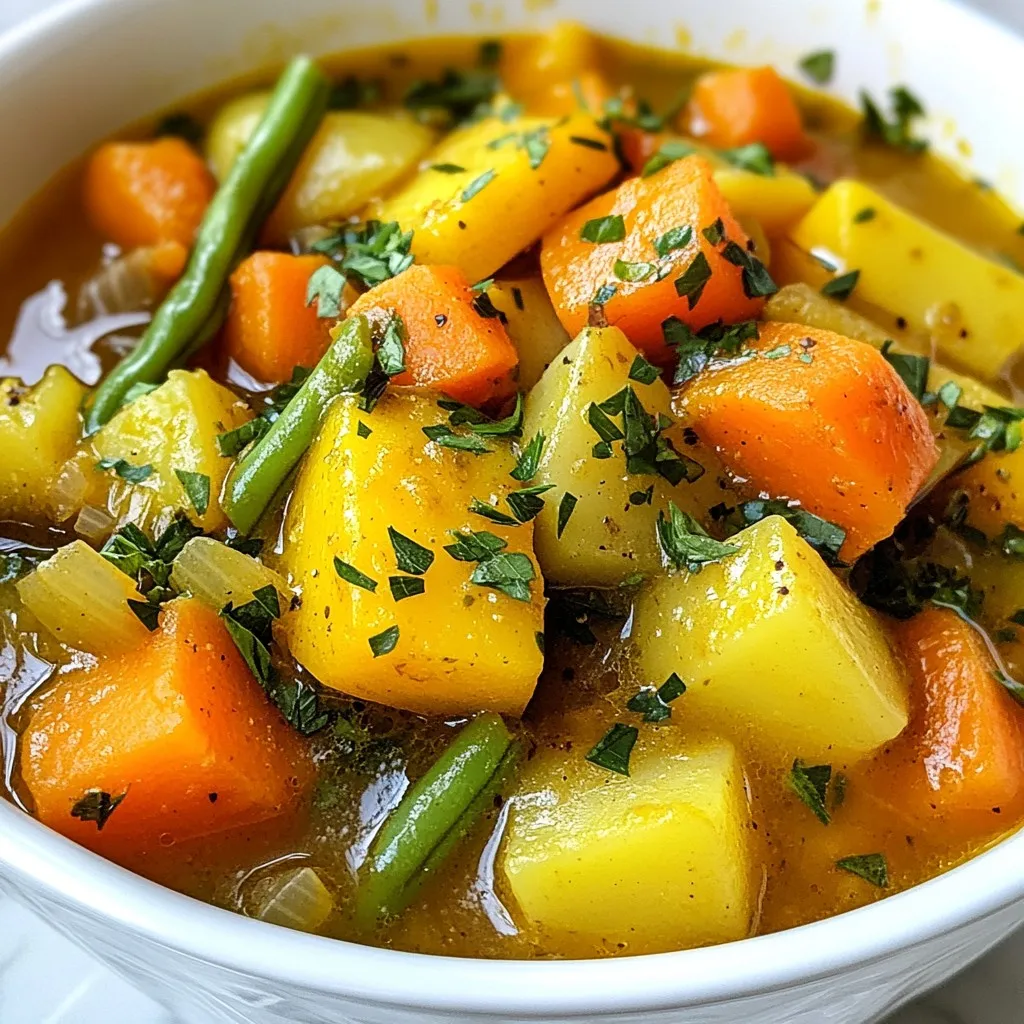
Are you ready to warm your soul with a hearty, comforting meal? Peasant-style European stews bring rich flavors and simple ingredients together. These dishes have roots in humble kitchens, celebrating fresh veggies and herbs. Whether you’re seeking a cozy recipe for family dinner or want to impress friends, this guide will show you how to create your own delicious stew. Let’s dive into the world of rustic flavors!
Why I Love This Recipe
- Comforting and Hearty: This vegetable stew is the perfect dish for chilly days, offering warmth and nourishment in every bowl.
- Simple Ingredients: With easily accessible ingredients, this recipe allows you to create a delicious meal without a long shopping list.
- Customizable: Feel free to add your favorite vegetables or herbs, making it a versatile dish that can suit any taste.
- Nutritious and Wholesome: Packed with vegetables and flavor, this stew is a healthy choice that still feels indulgent.
Ingredients
Essential Ingredients for Rustic Hearty Vegetable Stew
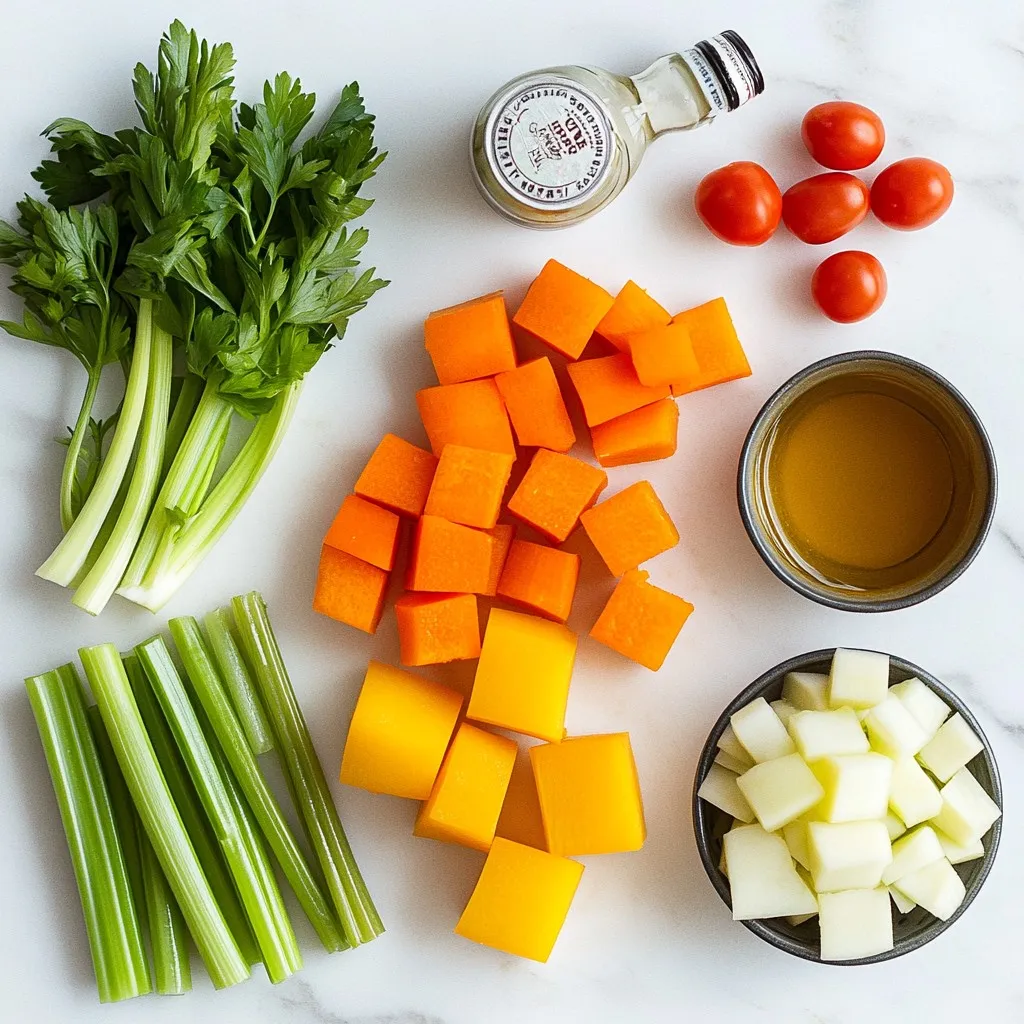
To make a great rustic hearty vegetable stew, you need these key ingredients:
– 2 tablespoons extra virgin olive oil
– 1 large onion, finely diced
– 3 cloves of garlic, minced
– 2 medium carrots, sliced into rounds
– 2 celery stalks, chopped into small pieces
– 1 medium potato, peeled and diced
– 1 cup fresh green beans, trimmed and cut into 1-inch segments
– 1 cup butternut squash, peeled and diced into cubes
– 1 can (14 oz) diced tomatoes, including the juice
– 4 cups vegetable broth or stock
– 1 teaspoon dried thyme
– 1 teaspoon dried rosemary
– Sea salt and freshly cracked black pepper to taste
These ingredients come together to create a rich, warm stew. The onion and garlic start the flavor base. The veggies add color and texture. You can also swap in other vegetables you enjoy!
Fresh Herbs and Seasonings
Fresh herbs and seasonings bring the stew to life. I use:
– Dried thyme
– Dried rosemary
– Sea salt
– Freshly cracked black pepper
These herbs add depth and aroma. Thyme gives a warm feel, while rosemary adds a piney note. Adjust the salt and pepper to your taste. Use fresh herbs if you have them; they boost flavor even more!
Optional Garnishes
Garnishes can elevate your stew’s look and taste. Consider adding:
– Fresh parsley, chopped
Sprinkle this on top before serving. It brightens the dish and adds a fresh taste. You can also drizzle a little olive oil for shine and flavor. If you want, serve the stew in rustic bowls or even a bread bowl for fun!
Step-by-Step Instructions
Preparing the Base
Start by heating 2 tablespoons of extra virgin olive oil in a large pot. Set the heat to medium. Once the oil is hot, add 1 large onion, finely diced. Sauté the onion for about 5 minutes. You want it soft and translucent. Next, add 3 cloves of minced garlic. Stir in 2 medium carrots, sliced into rounds, and 2 celery stalks, chopped into small pieces. Cook this mix for another 3 to 4 minutes. The vegetables should be tender and smell great.
Adding Vegetables and Broth
Now, it’s time to add the heart of the stew. Put in 1 medium potato, peeled and diced. Then, add 1 cup of fresh green beans, trimmed and cut into 1-inch segments. Toss in 1 cup of butternut squash, peeled and diced into cubes. Open a can of diced tomatoes (14 oz) and pour it in, juice and all. Stir everything together well. Gradually pour in 4 cups of vegetable broth. Sprinkle in 1 teaspoon of dried thyme and 1 teaspoon of dried rosemary. Finally, season with sea salt and freshly cracked black pepper to taste.
Simmering to Perfection
Bring the stew to a vigorous boil by increasing the heat. Once it boils, lower the heat to a gentle simmer. Let it simmer uncovered for about 30 to 35 minutes. Stir occasionally so it cooks evenly. The vegetables will soften and blend their flavors. After simmering, taste the stew and adjust the seasoning if needed. For a thicker stew, mash some potato chunks against the pot’s side. Serve the stew hot in bowls. Don’t forget to garnish with freshly chopped parsley for a pop of color and flavor!
Tips & Tricks
Best Cooking Equipment for Stews
To make a great stew, you need the right tools. A heavy pot or Dutch oven works best. It helps heat evenly and keeps the stew warm. A wooden spoon is perfect for stirring. You can also use a ladle to serve. A good knife is key for chopping your veggies. Keep your cutting board handy.
How to Enhance Flavors
To boost the taste, start by sautéing the onions and garlic well. This step brings out their natural sweetness. Adding herbs like thyme and rosemary early helps infuse the stew. A splash of vinegar or a squeeze of lemon at the end brightens flavors too. Taste as you go. Adjust salt and pepper to your liking.
Thicker Stew Tips
If you want a thicker stew, try mashing some potato chunks. This adds creaminess without extra ingredients. You can also mix a tablespoon of cornstarch with cold water. Stir this mixture in during the last few minutes of cooking. It will help thicken the stew nicely. Let it simmer for a few more minutes to set.
Pro Tips
- Use Fresh Herbs: Fresh herbs like thyme and rosemary can greatly enhance the flavor of your stew. Add them towards the end of cooking for a vibrant taste.
- Customize Your Veggies: Feel free to swap out vegetables based on what you have on hand or in season. Root vegetables like parsnips or turnips can add unique flavors.
- Add a Splash of Acid: A squeeze of lemon juice or a splash of vinegar just before serving can brighten the flavors and add depth to the stew.
- Make it Ahead: This stew tastes even better the next day! Make it ahead of time and store it in the refrigerator for up to 3 days to let the flavors meld.
Variations
Regional Adaptations of the Stew
Peasant-style stews differ by region. Each area adds its own twist. For example, in Italy, you might find a minestrone version filled with beans and pasta. French stews often use wine for depth. In Eastern Europe, you may see hearty potato and cabbage blends. Each variation tells a story of local ingredients and traditions.
Meat vs. Vegetarian Options
You can make these stews with meat or keep them vegetarian. For a meat stew, add beef or chicken. These meats add richness and depth. A vegetarian stew shines with fresh veggies and beans. Both options are hearty and satisfying. You can also mix meats with vegetables for a balanced dish.
Seasonal Variations with Available Ingredients
Seasonal ingredients can change your stew. In spring, use young peas and asparagus. Summer brings fresh tomatoes and zucchini. Fall is perfect for squash and root vegetables. Winter calls for hearty greens like kale or cabbage. Adjusting your stew with seasons keeps it fresh and exciting. Each season offers unique flavors that enhance the dish.
Storage Info
How to Store Leftovers
After enjoying your stew, let it cool. Transfer any leftovers into an airtight container. Store it in the fridge for up to three days. If you want it to last longer, consider freezing it. Just make sure to leave some space in the container for the stew to expand.
Reheating Instructions
When you’re ready to enjoy your stew again, take it out of the fridge. Pour the stew into a pot and heat it over medium heat. Stir often to ensure even heating. You can also microwave it in a bowl. Cover it with a lid or a microwave-safe wrap. Heat it for about 2-3 minutes, stirring halfway through.
Freezing the Stew
To freeze the stew, pour it into freezer-safe containers. Leave about an inch of space at the top for expansion. Label each container with the date. You can freeze it for up to three months. When you’re ready to eat, thaw it in the fridge overnight before reheating.
FAQs
What is a Peasant Style Stew?
A peasant style stew is a simple, hearty dish. It uses fresh, local ingredients. This stew often includes vegetables, herbs, and sometimes meat. The goal is to create a filling meal that is easy to make. Each region has its own twist on this stew. In Italy, you might find beans and pasta. In France, root veggies shine. The beauty lies in its rustic charm and comfort.
Can I make this stew in a slow cooker?
Yes, you can make this stew in a slow cooker. Start by heating the olive oil in a pan. Sauté the onion and garlic until soft. Then add the carrots, celery, and any other veggies you like. Transfer everything to the slow cooker. Pour in the vegetable broth and add herbs. Cook on low for 6-8 hours or high for 3-4 hours. This method will make your stew rich and tasty!
How long can I store vegetable stew in the fridge?
You can store vegetable stew in the fridge for about 3-4 days. Make sure to let it cool down first. Place it in an airtight container. If you want to keep it longer, consider freezing it instead. In the freezer, it can last up to 3 months. Just thaw it overnight in the fridge before reheating. Enjoy the same great flavor!
This blog post covered how to make a hearty vegetable stew. We discussed key ingredients, from fresh veggies to herbs. I shared step-by-step instructions so you can cook with ease. Tips and tricks for great flavor enhancement were included. We explored different stew variations to fit your taste. Lastly, I explained how to store and reheat your stew.
Making this dish offers comfort and warmth. Enjoy cooking and savoring your masterpiec